
'/%3E%3Cpath%20fill='%23b2b2b2'%20d='M241%20382q0%2016%2017%2026%2017%2011%2042%2011t42-11q16-11%2017-26V269H241'/%3E%3Cpath%20fill='%239f7e00'%20d='M241%20379q0%2014%208%2023%209%209%2021%209%2014%200%2021-9%209-9%209-23V269h-59'/%3E%3Cpath%20d='M241%20339v-70h59v110q0%2014-9%2023l-6%205v-68h-15v72q-8%200-14-4v-68zm59%2040c0%2022%2015%2032%2029%2032%2021%200%2030-18%2030-32v-40h-59'/%3E%3Cpath%20fill='%239f7e00'%20d='M266%20277v5h2v12h-3v-5h2v-5h-9v5h2v5h-4v9h3v18h-5v10h34v-10h-5v-18h3v-9h-4v-5h2v-5h-9v5h2v5h-3v-12h2v-5zm42%20101q0%2010%206%2017%206%206%2015%207%2010-1%2016-7%206-7%206-17v-29h-43'/%3E%3Ccircle%20fill='%230044ad'%20cx='329.5'%20cy='372'%20r='6'/%3E%3Cellipse%20fill='%230044ad'%20cx='300'%20cy='340'%20rx='16'%20ry='21'/%3E%3C/svg%3E)


An arrhythmia is an abnormal heart rhythm. It happens when the electrical signals that coordinate your heartbeats don’t work properly, causing your heart to beat too fast, too slow, or irregularly. While anyone can have an arrhythmia, certain types are more common in people with DCM.
Who treats heart rhythms?
While your general cardiologist manages your overall heart health, you may also see an Electrophysiologist (EP). An EP is a cardiologist who specializes in the heart’s electrical system. Think of them as the “electrician” for your heart, while your general cardiologist is like the “plumber” who manages the heart’s structure and flow.

Recognizing Symptoms
Many arrhythmias cause palpitations—the feeling that your heart is skipping a beat, racing, or pounding. These can last for a few seconds or several minutes.
Mild Symptoms
Dizziness, lightheadedness, or unusual shortness of breath during light activity.
Serious Symptoms
Syncope (fainting or a “blackout spell”). Because dangerous heart rhythms can cause this, fainting always requires immediate medical attention.
Emergency Situations
Sudden Cardiac Death (SCD) occurs when an arrhythmia
causes the heart to stop pumping (cardiac arrest). Immediate emergency care is critical. Call 911 or your local emergency number.
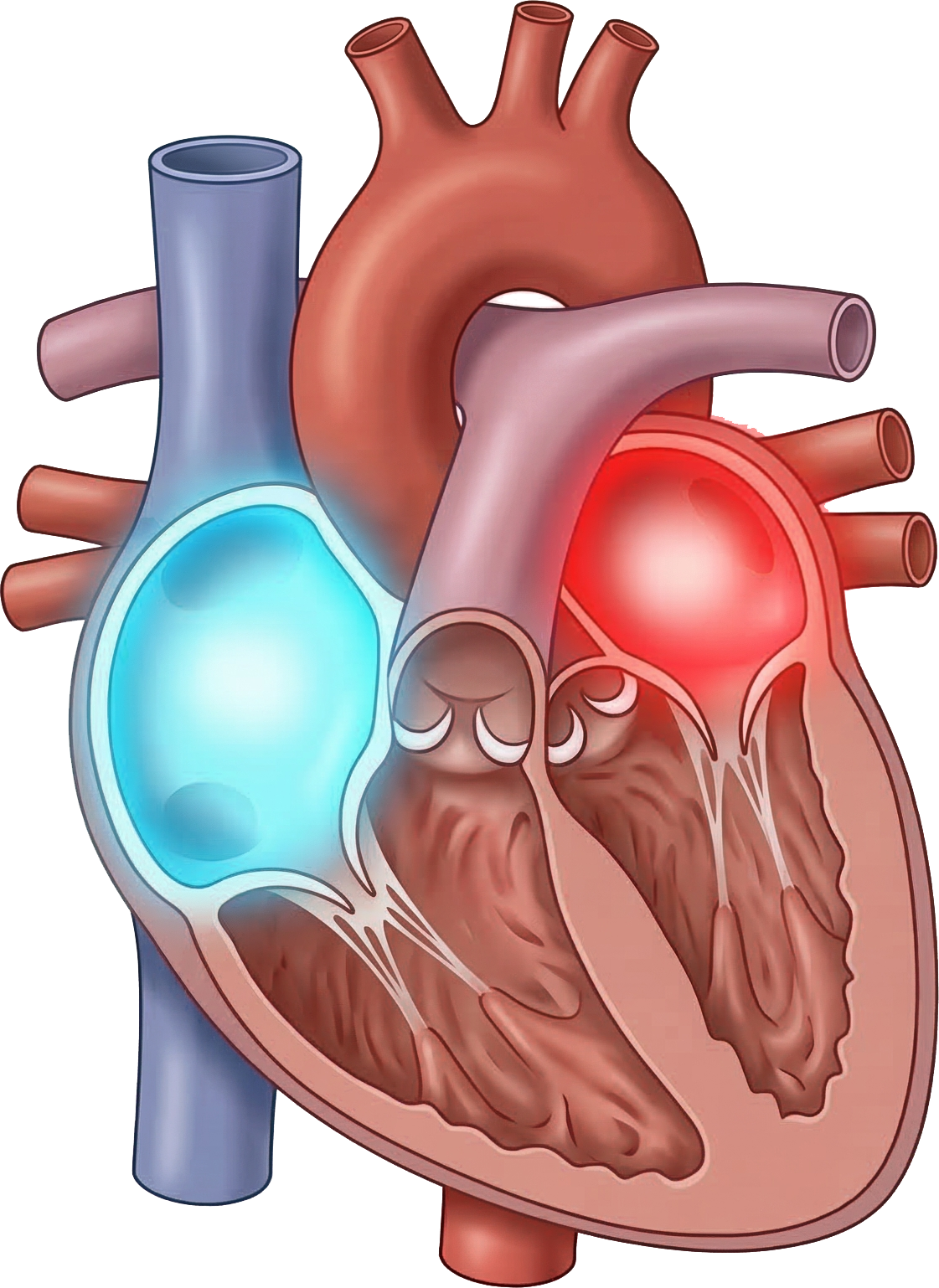
Atrial Abnormalities (Upper Chambers)
These rhythms start in the atria, the top chambers of your heart. When these rhythms occur in DCM, they can further reduce heart function and worsen heart failure symptoms.
Atrial Fibrillation (Afib)
The most common abnormal rhythm. It causes the upper chambers to quiver randomly and rapidly. It can be permanent or paroxysmal (comes and goes).
Atrial Flutter
A more organized but still abnormal rhythm that often originates from a specific area in the atria.
Symptoms
Palpitations or racing heart
Fatigue or shortness of breath
Lightheadedness
Sometimes no symptoms, but still increases the risk of stroke
Treatment Options
Treatment goals focus on:
- Controlling the heart rate
- Reducing the risk of stroke
- Returning the heart to a normal rhythm
Common treatments include:
- Medications: Drugs to control heart rate or prevent the rhythm from returning.
- Electrical Cardioversion: A scheduled procedure where an electric shock resets the heart rhythm while you are under sedation.
- Ablation Therapy: A procedure where a specialist uses a catheter to destroy the tiny area of tissue causing the irregular signals. Often first-line for Atrial Flutter.
Risk Factors / Special Considerations
Age, prior stroke, high blood pressure, and other medical conditions can increase your risk of stroke with atrial arrhythmias.
Your doctor will personalize treatment based on your heart function, medical history, and risk factors.
Stroke Prevention: Your “Invisible” Defense
Why It Matters
When the atria quiver (Afib) or beat too fast (flutter), blood can pool instead of moving out completely. In a dilated heart, blood already moves more slowly through the enlarged chambers, increasing the risk of clot formation. A clot traveling to the brain can cause a stroke.
Blood Thinners
These medications are your primary defense against stroke.
Even if your rhythm returns to normal or after a procedure like ablation, your doctor may keep you on a blood thinner. this is because DCM can still allow clots to form in the enlarged chambers.
You may not “feel” the medicine working, but it is actively protecting your brain.
Risk Factors / Special Considerations
Age, prior stroke, high blood pressure, and other medical conditions can further increase your stroke risk.
Your doctor will personalize treatment based on your heart function, medical history, and risk factors.
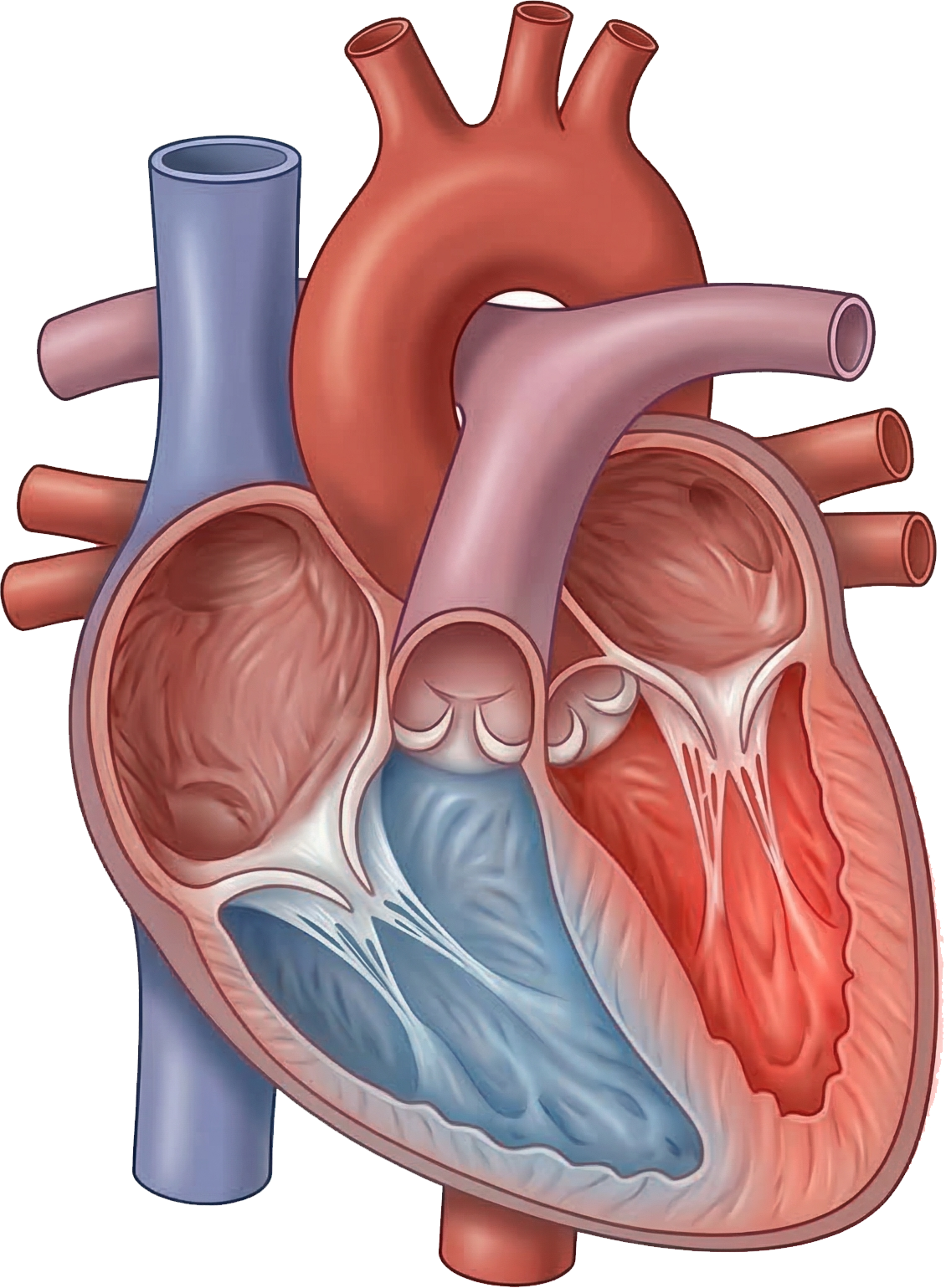
Ventricular Abnormalities (Lower Chambers)
These signals start in the ventricles, the main pumping chambers of the heart. In DCM, ventricular abnormalities are significant because they often indicate the heart muscle is under stress or damaged.
Premature Ventricular Complexes (PVCs)
Extra “skipped” beats that occur earlier than the next normal beat. If frequent, they can impair heart contraction.
Ventricular Tachycardia (VT)
Fast “runs” of heartbeats. Even if you don’t feel symptoms, VT can be life-threatening as it may lead to Ventricular Fibrillation.
Ventricular Fibrillation (VF)
A disorganized, life-threatening rhythm where the heart cannot pump blood. Causes sudden cardiac arrest and is a medical emergency.
Symptoms
Palpitations or fluttering in the chest
Lightheadedness, dizziness, or fainting
Shortness of breath
Chest discomfort
Treatment Options
- PVCs: Beta-blockers to reduce frequency; Ablation therapy may be considered if persistent
- VT: Often treated with an Implantable Cardiac Defibrillator* (ICD) if EF ≤ 35%; Medications like amiodarone may be used in addition to an ICD
- VF: Emergency CPR and defibrillation are required; An ICD* will detect VF and deliver shocks automatically
*ICD (Implantable Cardiac Defibrillator): For patients with an Ejection Fraction (EF) ≤ 35%, an ICD is often recommended. It acts as a “personal paramedic” to restore normal rhythm if a dangerous arrhythmia is detected.
Risk Factors / Special Considerations
Individuals with DCM and EF ≤ 35% are at higher risk for VT or VF.
ICDs are life-saving devices in these patients, acting as a “personal paramedic” inside your chest.
VT or VF can be life-threatening even without warning symptoms.
Conduction Abnormalities (Electrical Pathways)
These occur when the electrical “wiring” of the heart is blocked or delayed. Often called “Heart Blocks” or “bundle branch blocks.”
Second- and Third-Degree Heart Block
Can cause dangerously low heart rates, often requiring a pacemaker.
Bundle Branch Block (BBB)
Delay in the signal traveling through the right or left
“bundles” of the heart. Left Bundle Branch Block (LBBB) is especially significant in DCM because it can make the heart pump inefficiently.
Symptoms
Fatigue
Dizziness or lightheadedness
Slow heart rate
Sometimes no symptoms, but increases risk of worsening heart failure
Treatment Options
- Standard pacemaker.
- Cardiac Resynchronization Therapy (CRT): A special biventricular pacemaker used for LBBB with low EF. It helps both ventricles contract simultaneously, which can improve heart function and life expectancy.
Risk Factors / Special Considerations
CRT is preferred over standard pacemakers for patients with LBBB and EF ≤ 35%.
Some DCM patients may require CRT even with second- or third-degree heart block.

Summary
Arrhythmias are common in DCM and can range from mild to life-threatening. Recognizing symptoms early and working closely with your cardiologist and electrophysiologist (heart rhythm specialist) is essential to keeping your heart safe.
Some arrhythmias are mild, while others require urgent attention.
Watch for palpitations, dizziness, fainting, or shortness of breath.
Blood thinners, ICDs, and CRT can protect your heart and prevent complications.
Your cardiologist and EP are your partners—stay in close communication.
Call 911 immediately if you experience:
- Sudden, racing heartbeat that doesn’t stop
- Fainting/near-fainting
- Severe shortness of breath
- Chest pain/pressure